
Community
Our goal is to create strong communities. Social and economic transformation driven by self-reliant families, good health, secure livelihoods and a clean environment will help build strong communities.

Family Focused Village Development Program (FFVDP)
We are a long-term partner of The Family Focused Village Development Program (FFVDP). The programme is supported by the Linsi Foundation (Home | Linsi Foundation). FFVDP aligns with our mission to create self-reliant communities with a family-centred approach, and achieve our vision of greater social transformation.
The building blocks of FFVDP are:

- Family and Community Cohesion
- Leadership
- Earnings and finance
- Education
- Health Care
- Household Care
It is a holistic programme, working with the selected scheduled tribes and scheduled caste families in specific villages. Once the community becomes self-sufficient, FFVDP will identify new villages to support. This program is supported by Linsi Foundation, Switzerland.
FFVDP impact
Ethos
Families and communities cultivate shared values and promote peace and harmony resulting in cohesive and resilient social structures, fostering a sense of belonging and mutual respect among members.
Summary
In the last year, we have facilitated activities to strengthen family relationships, community awareness, and child protection mechanisms.
Awareness programmes were conducted for families on the ill effects of addiction, with a primary focus on alcoholism.
Special focus was given to child protection and safety.
Families and communities have increased capacity to access and enjoy their rights and entitlements and develop their villages holistically and equitably.
BLESS played a significant leadership role in strengthening community institutions and promoting participatory local governance across the project villages.
A key leadership intervention was facilitating the registration of the Youth Club of Kolping Nagar with the Nehru Yuva Kendra (NYK). This formal recognition provided youth with an institutional identity, encouraged active participation, and enabled access to government-supported youth development platforms, thereby nurturing local youth leadership.
In addition, BLESS focused on the reformation and capacity building of Community-Based Organizations (CBOs) in TS Pettai, Kolping Nagar, and Palakkarai. This process enhanced accountability, inclusiveness, and ownership among community members.
A major outcome of these leadership efforts was the facilitation of access to essential government entitlements for vulnerable families.
The Village Development Committees emerged as active platforms for community-led action and reflect a positive shift
from dependency-oriented expectations towards participatory leadership, collective responsibility, and sustainable community development.
Ethos
Families have sustainable and decent income and do safe and productive investments and able to withstand crises and shocks.
Summary
Livelihood and income-generation activities strengthened financial security among vulnerable families.
Animal Health Management Training was conducted in Kolping Nagar for 20 individuals, followed by the provision of cows and construction of cow sheds, with all beneficiary families linked to the Aavin Cooperative for regular income through milk sales and covered under insurance for both cattle and owners.
In TS Pettai, 6 Kanna Thoni boats with fishing nets were provided to 6 families from the Scheduled Tribe Irular community, distributed through the Assistant Director (AD) and Deputy Director (DD), Fisheries Department, Cuddalore, along with registration cards and Inland Fishermen Licenses. As an innovative pilot initiative, honey boxes were installed for these beneficiaries to explore beekeeping in mangrove regions, in collaboration with the Department of Entomology, Annamalai University, diversifying income opportunities.
In Kolping Nagar, BLESS, with the support of the LINSI Foundation, implemented a livelihood intervention that transformed the income security of vulnerable families through cow and cowshed distribution. A total of 20 families received milk cows along with properly constructed cowsheds, enabling them to adopt dairy farming as a stable and age-appropriate
livelihood option.
All beneficiaries were trained in Animal Health Management and provided 100% insurance coverage for both cattle and owners. With strong market linkage to the AAVIN Cooperative, families now sell milk regularly, with an average yield of 3 5 litres per cow per day and monthly sales of 120-150 litres. At an average procurement price of 30-35 INR per litre, families earn
3,500 INR and above per month, ensuring a predictable income stream.
Beyond income generation, the intervention has improved household
nutrition through daily milk consumption and ensured regular veterinary support through camps and insurance coverage. This initiative has significantly reduced dependence on seasonal agricultural wages and strengthened long-term livelihood security and nutritional wellbeing for families in Kolping Nagar.
Ethos
Children and youth have quality education with employable and leadership skills resulting in decent and dignified employment and/or gainful self-employment.
Summary
We supported After-School Study Centres. These centres provided academic support and a safe learning environment, resulting in improved educational outcomes and increased student confidence.
An Education Fund was created and stationery, school bags, and sports materials were provided to students.
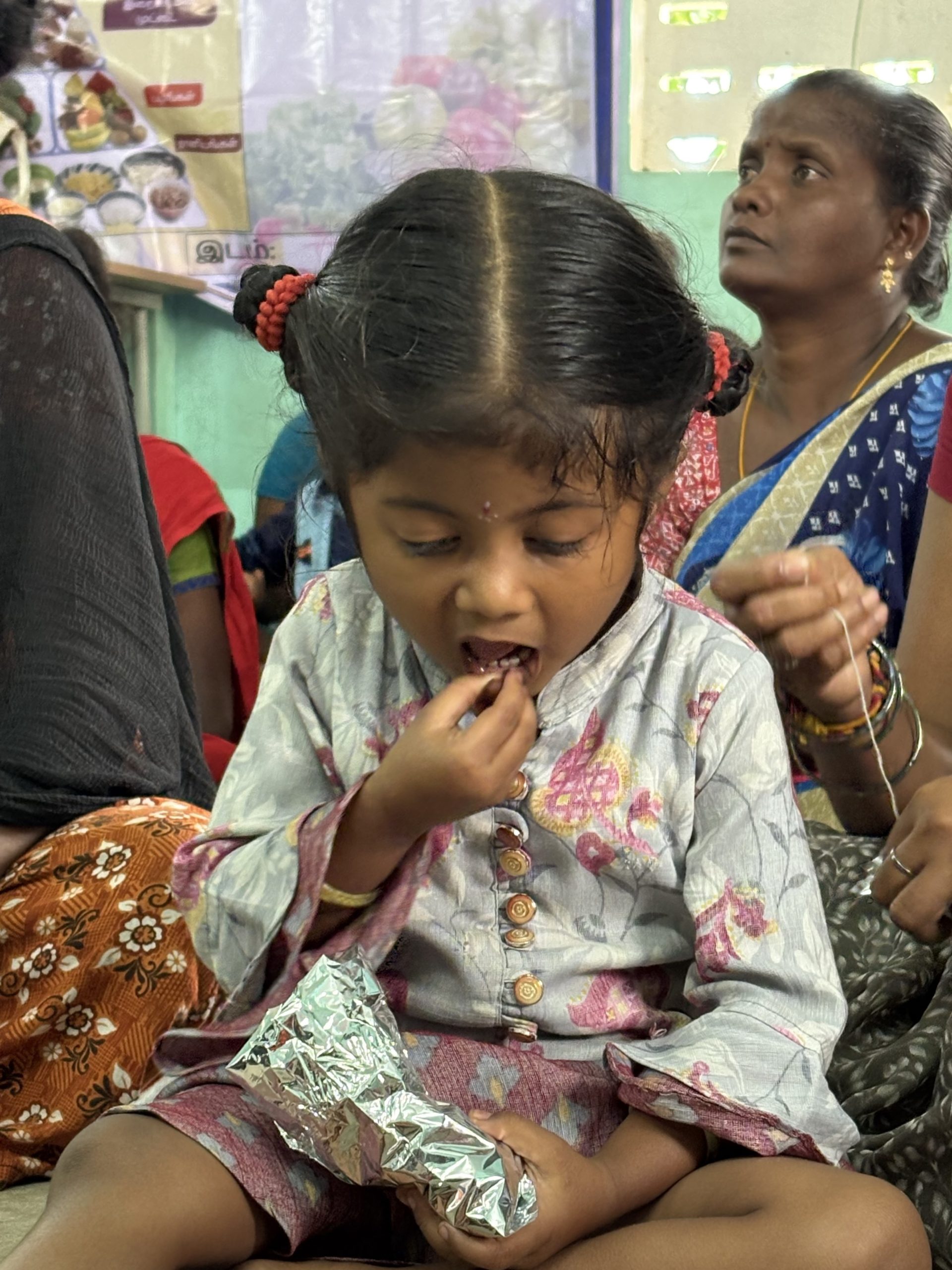
Nutritious snacks were also supplied to children.
Infrastructure has been repaired and furnished for educational and community use.
Awareness programmes for students and parents have been held on the importance of education.
Ethos
Families have safe water, functional toilets, practice hygiene behaviour including menstrual and reproductive health.
Summary
Our targeted health interventions led to improved well-being across project villages.
Healthcare and nutrition support for children has resulted in better health outcomes, regular school attendance, and improved nutritional intake.
Trained young women leaders conducted peer awareness sessions for adolescent girls and young women.
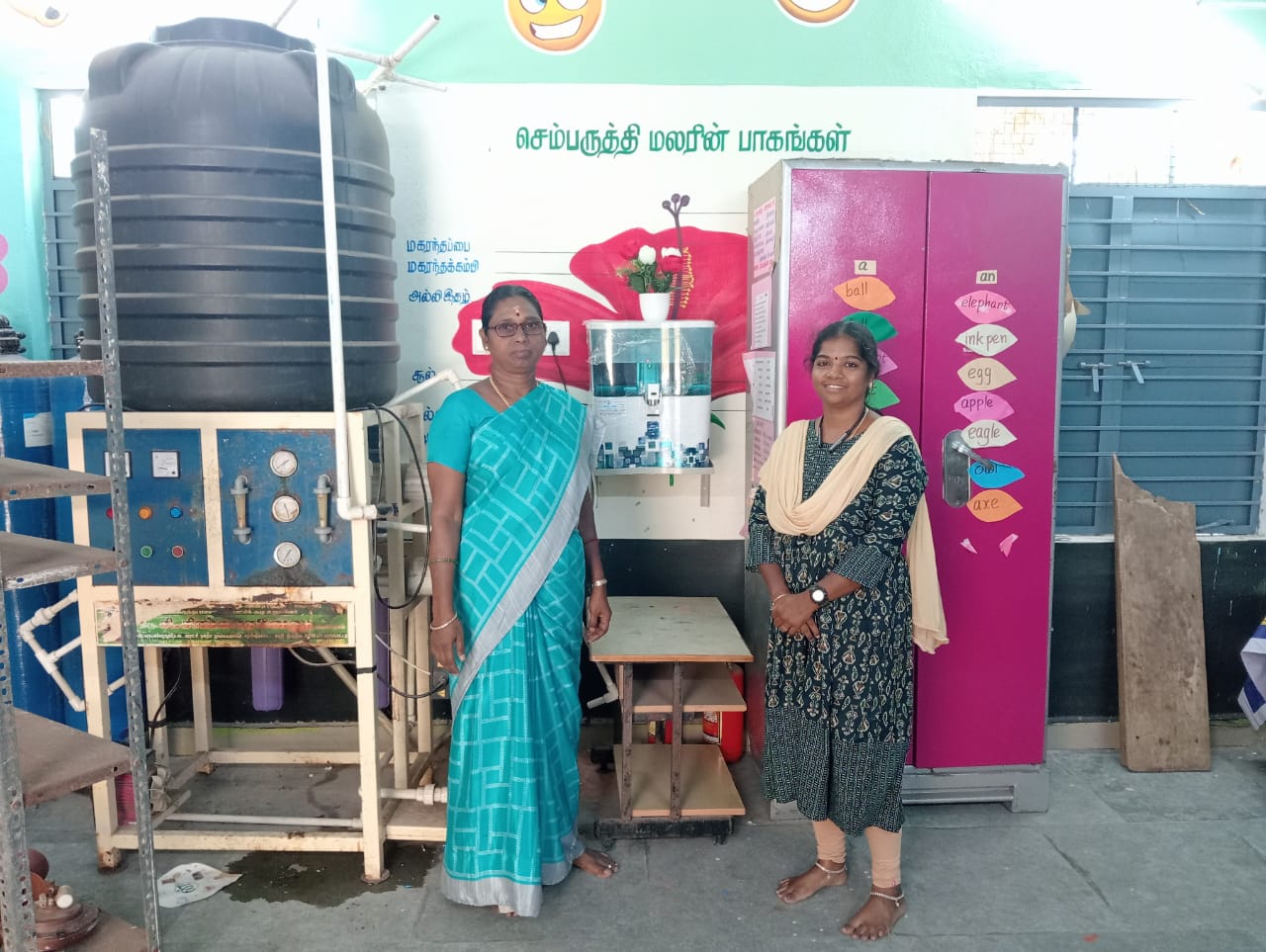
Access to safe drinking water improved with the installation of a functional RO plant, saving time and effort previously spent for water.
Sanitation facilities were strengthened through the repair of toilets, provision of reusable sanitary and construction of toilets.
Ethos
Families reside in secure and well-maintained houses, enjoy a clean and sustainable environment, and achieve food security, contributing to enhanced living standards and overall community well-being.
Summary
We supported vulnerable families through critical household care interventions aimed at ensuring safety and dignity.
This work included the provision of temporary shelter to support families relocated from unsafe living conditions and unsafe houses demolished and replaced.
Further strengthening the quality and sustainability of housing interventions with the appointment of a Civil Engineer to oversee and guide house construction and repair works, ensuring structural safety, quality standards, and effective utilisation of resources.
We implemented the House Foundation Program. This initiative aimed to provide critical financial assistance to families who had already been granted Government Patta and were beneficiaries of housing schemes under either the State or Central Government.
For more information about our work with the LINSI foundation and FFVDP please read our latest annual report: