Livelihood
Having a secure and decent income, is key to becoming self-reliant and improving living conditions. We work with our villages to enable them to improve their working lives.
The fishing community is highly vulnerable to economic fluctuations and environmental challenges, these problems are compounded by a lack of alternative sources of income, lack of advocacy and access to resources. Alcohol dependency is endemic in this community.
Fisher folk
We provided local fisher folk with more than 30 new fibre boats (Kanni Thoni) and fishing nets.

Fish vendor programme
We put in place a program focused on sustainability, self-reliance, and long-term empowerment of the fish vendors.
Additional resources including raincoats, torches, ice boxes, and weighing machines were provided. The aim was to improve working conditions in adverse weather or poor light, maintain the quality of fish during transportation and storage and promote fair and transparent transactions between the fish vendors and consumers


Training and access to government schemes and institutional support were also made available. We organised a two-day visit for vendors to the National Institute for Rural Development to build knowledge on topics such as government welfare schemes, substitute welfare schemes, substitute livelihoods and low-cost housing schemes.
Micro-credit finance
Historically, most of the fish vendors that we work with were not registered with the Indian Department of Fisheries department. This means that they were unable to access Government grants or aid.
We helped the vendors to form a Self-Help Group SHG), in the micro-credit programme and to access interest-free loans. Access to loans was on the basis of vendors attending training programmes, finance meetings and committing to repayment plans and saving.
We are partnering with NABFINS, a subsidiary unit of NABARD (National Agriculture Bank for Rural Development). The micro-credit programme is one way that we enable the fish vendors to become more resilient to economic fluctuations and to expand their businesses. We also facilitate insurance enrolment to provide financial protection against accidents and other foreseen events.
Alternative income sources
Interest in supplementary livelihoods such as poultry farming, vegetable vending and acquaculture is growing but vendors need guidance and support to transition successfully. We provide training via organisations like the Tamil Nadu Agricultural Research University. This is an ongoing requirement.
De-addiction programme
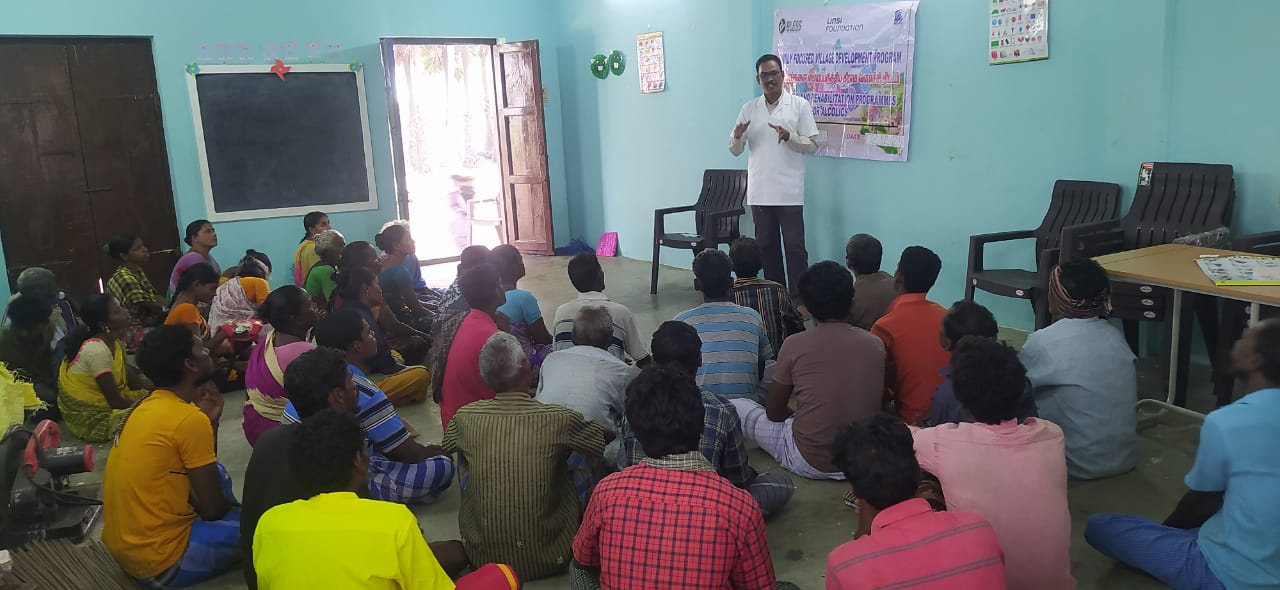
Alcohol dependency is prevalent in the fish vendor community. We established a de-addiction and rehabilitation programme and run awareness campaigns to combat alcohol dependency within the community.
Government assistance
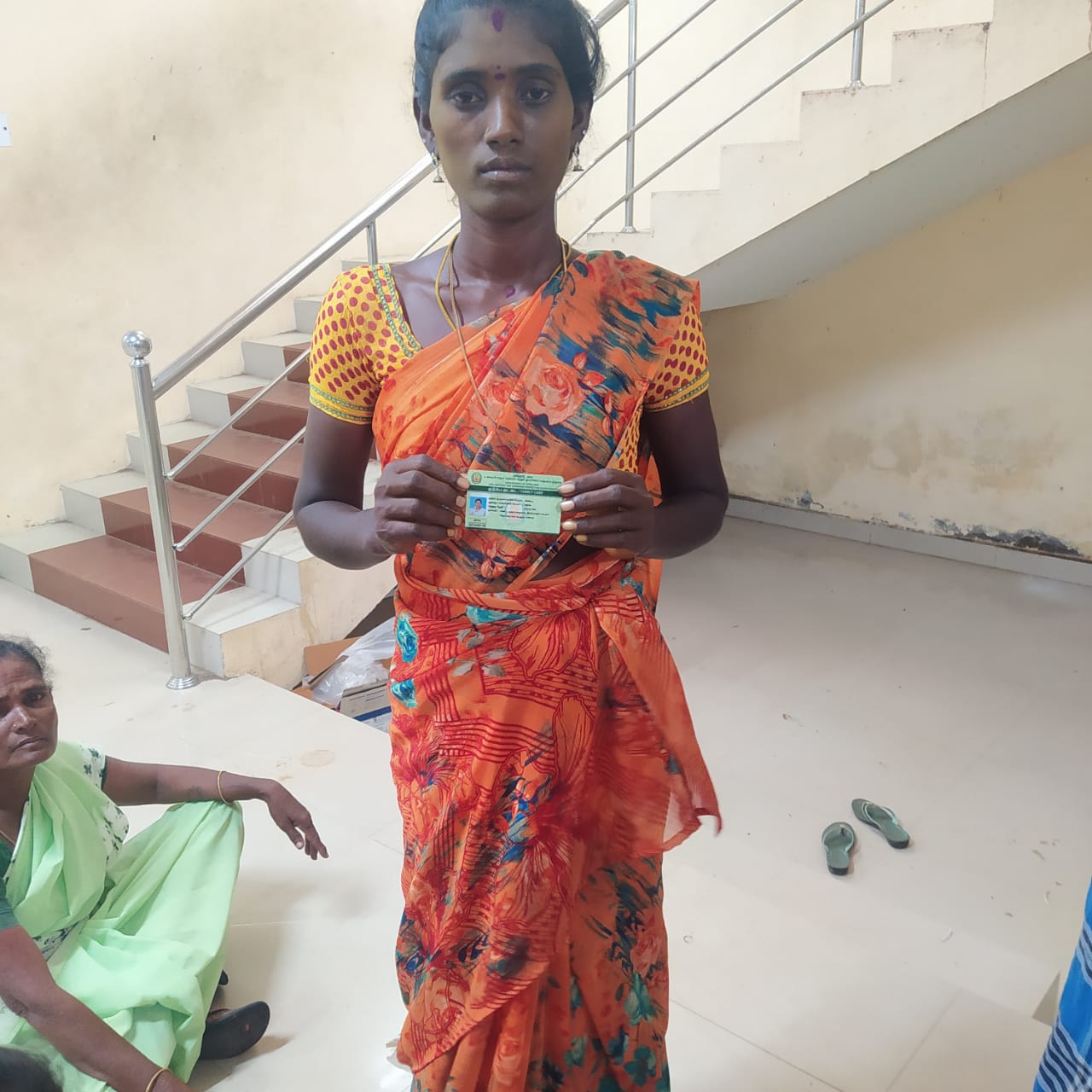
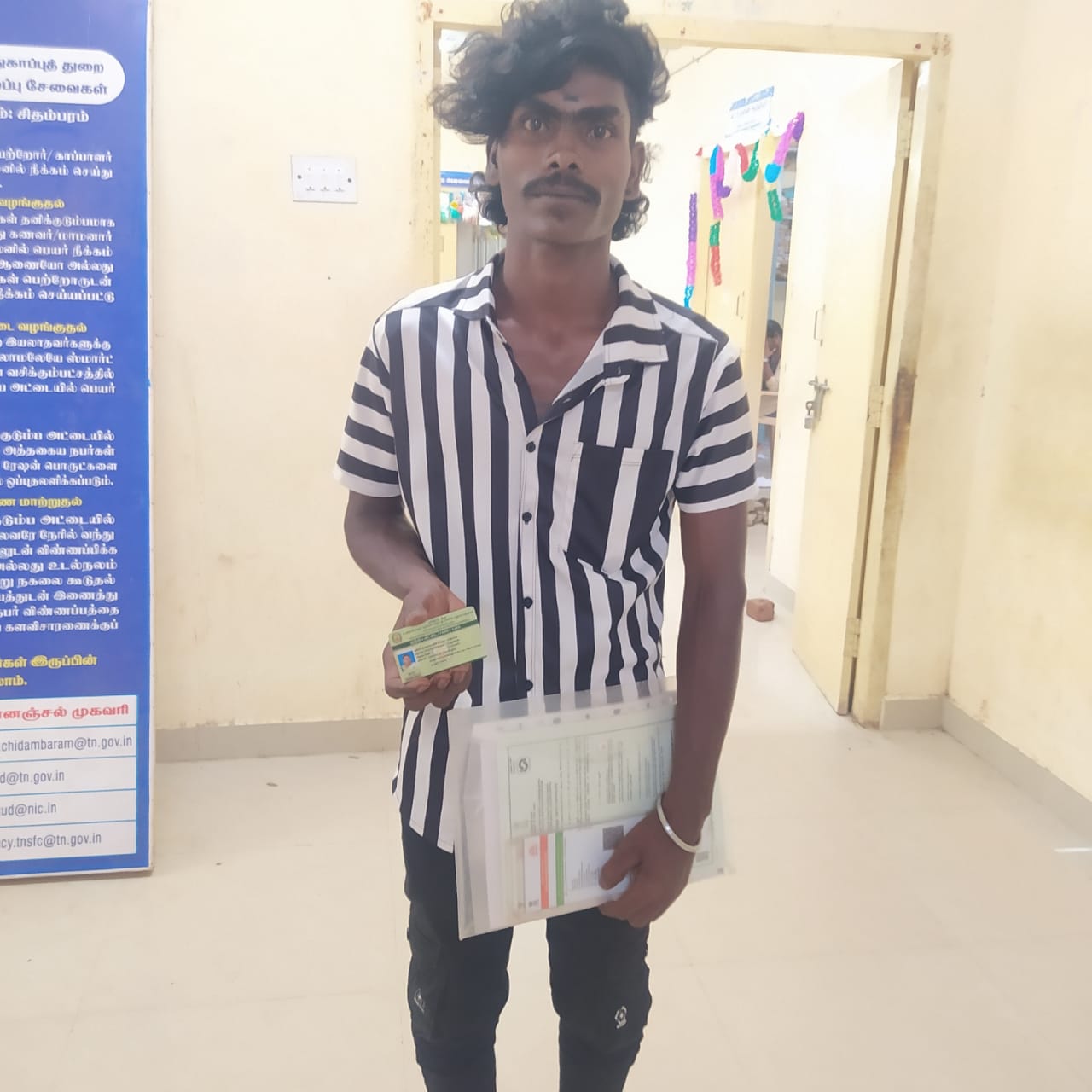
We are working with the fisheries department and advocating for better assistance for impoverished fish vendors. including making sure that they and their families are able to access Government benefits and schemes.